UAE Living Guide
Cooling is not a luxury in the UAE, it is a health decision
From June through September, outdoor temperatures across the Emirates routinely sit between 42 and 48 degrees Celsius, with humidity along the coast pushing the heat index higher still. In that climate, a reliable cooling system inside your home or office is not about pampering yourself. It is what protects you from headaches, blood pressure spikes, dehydration and, in worse cases, heat stroke. This guide walks through what good cooling actually looks like in a UAE home, neighbourhood by neighbourhood, plus the maintenance habits that keep the air healthy once the equipment is in place.
The health case
What the heat actually does to your body
Prolonged exposure to high temperatures forces the cardiovascular system to work harder. Blood vessels dilate, the heart pumps faster, and people with existing hypertension often see their readings climb. Dehydration thickens the blood, which raises the risk of clotting. Headaches, dizziness, poor sleep and irritability are the everyday symptoms, and at the severe end sits heat stroke a medical emergency where the body loses its ability to regulate its own core temperature.
The World Health Organization lists older adults, young children, pregnant women and people with chronic conditions as the most vulnerable groups. For all of them, a cool, well-ventilated indoor space during peak hours is the single most effective form of protection. That is why waiting out the worst of the day at home, with a proper cooling system running, is a genuine health strategy in this region, not just personal preference.
Dubai apartments: split units in every room, not just the living area
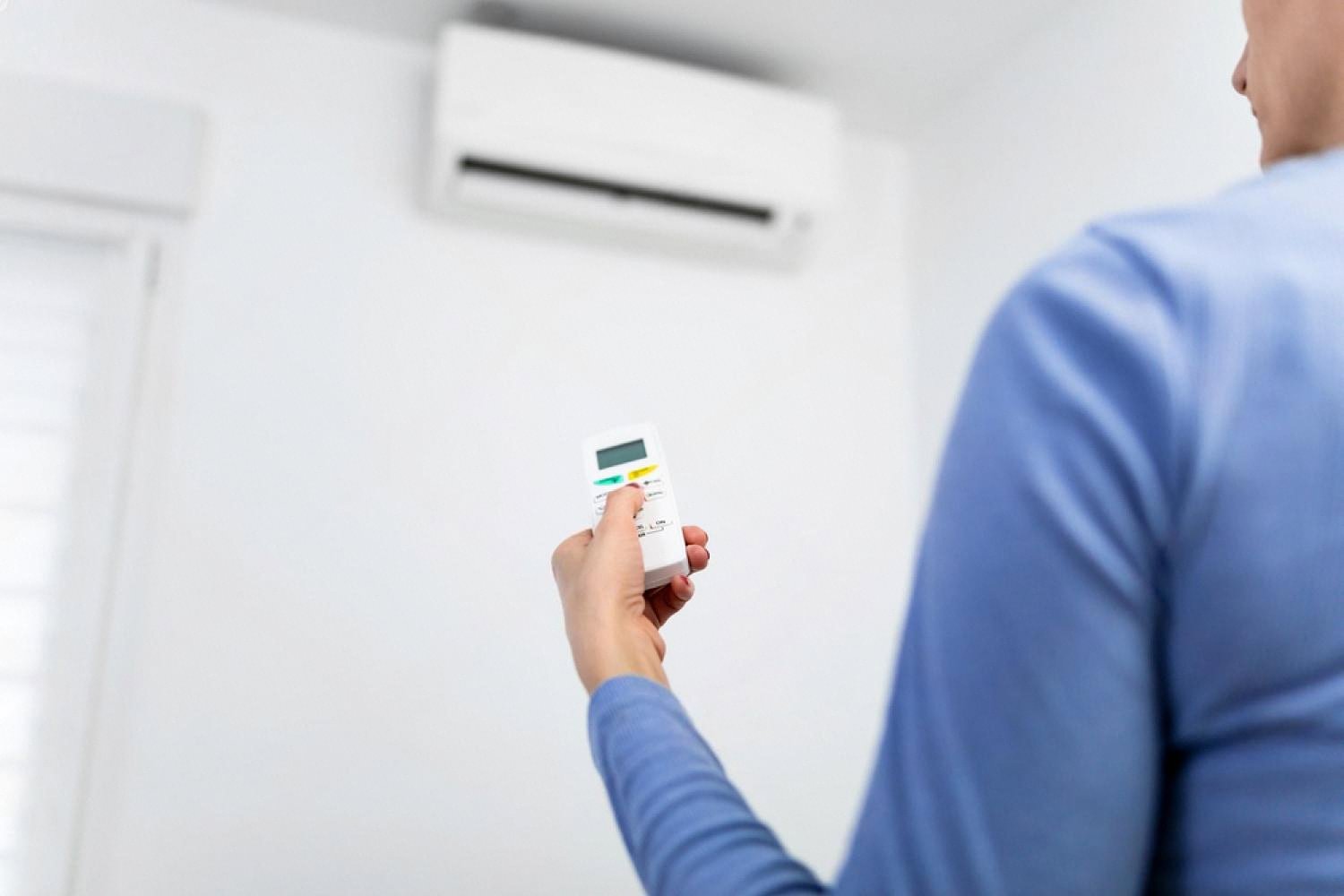
Whether you are in a high-rise in Downtown Dubai, a villa in Arabian Ranches or a mid-rise flat in Al Barsha, the pattern is the same: cool the whole home, not one room. A common mistake in Dubai is running one strong AC in the living area and letting the bedrooms drift. By 3 a.m. those bedrooms can sit at 30 degrees, which wrecks sleep quality and stresses the body during what should be its recovery window.
Central chilled water is standard in many newer Dubai towers, but you still control the thermostats. In older buildings and villas, split systems do the work. Either way, aim for a steady 23 to 25 degrees Celsius in occupied rooms. For larger open-plan spaces, warehouses and workshops around Al Quoz or Jebel Ali, ceiling and wall-mounted industrial fans paired with the AC dramatically improve air movement and let you run the compressor at a milder setpoint without losing comfort.
Abu Dhabi villas: humidity is the hidden problem
Coastal areas like Corniche, Al Reem Island and Saadiyat carry heavy humidity for most of the summer. A cooling system that only drops the temperature but does nothing about moisture leaves you with a cold, clammy room where mould can bloom on grouting, curtains and behind furniture. In Abu Dhabi villas in particular, the priority is a system with genuine dehumidification, sized correctly for the room volume.
- Match capacity to the room. An undersized unit runs constantly and never removes enough humidity. Oversized units short-cycle and do the same.
- Use the dry mode during coastal humid spells rather than pushing the temperature down further.
- Ventilate briefly at night when the outside temperature dips, then seal up and let the AC recover the room.
- Keep curtains drawn on west-facing rooms from noon onwards. Direct sun through glass is the single largest heat load in most UAE homes.

Sharjah and the Northern Emirates: shared walls, older buildings, smarter habits
Housing stock in Sharjah, Ajman and Ras Al Khaimah tends to be older on average, with less insulation and window units still in service. If you cannot replace the equipment, you can still get a lot back through habits and light upgrades. Reflective window film, thicker blackout curtains and simple weather-stripping around door frames cut the load your AC has to handle. Running units continuously at a moderate setting is almost always cheaper and healthier than blasting them on maximum for a few hours and then switching off.
For families with young children or elderly relatives, keep at least one room in the home reliably cool at all times during summer, even if you have to accept warmer temperatures elsewhere. That room becomes the retreat during the hottest afternoon hours between 1 p.m. and 5 p.m., which is exactly when heat-related illness cases spike, according to UAE Ministry of Health summer advisories.
Practical maintenance checklist for UAE homes
A high-quality cooling system only stays high-quality if you look after it. Dust, sand, and the sheer runtime hours our climate demands wear equipment fast. Work through this list every few months and you will notice the difference in both air quality and electricity bills.
- Wash or replace filters every four to six weeks during summer, monthly if you live near open desert or a construction zone.
- Have a technician clean the evaporator coil and drain line at least once a year, ideally before May.
- Keep the thermostat between 23 and 25 degrees Celsius. Cranking it to 18 does not cool the room faster, it just wastes power and over-dries the air.
- Avoid running the AC below 21 degrees for long stretches, especially overnight. Extremely cold indoor air irritates airways and dries out sinuses.
- Use a small humidifier or leave a bowl of water in the room if the air feels stale and dry, common in inland Emirates like Al Ain.
- Check the outdoor condenser unit for blocked airflow. Sand build-up on the fins forces the compressor to strain.
- Do not close vents in unused rooms to save energy on modern central systems, it unbalances the pressure and shortens the equipment’s life.
In a climate like ours, the goal is not the coldest room in the building. It is a stable, dry, clean-air room you can actually live in for ten hours a day.
Getting the balance right
Good cooling is a balance. Too little and the heat wins, with real consequences for blood pressure, sleep and general health. Too much, or badly maintained, and you end up with dry throats, sinus problems, mould on the walls and utility bills that hurt every month. The households that get through UAE summers most comfortably are the ones that treat their AC as a health appliance: sized properly, cleaned regularly, set to a sensible temperature and paired with good airflow. Do that, and the summer stops being something to endure. It becomes something you simply live around.
Frequently asked questions
What is the ideal indoor temperature during a UAE summer?
Between 23 and 25 degrees Celsius is the sweet spot for most people. It is cool enough to protect against heat stress but not so cold that your body has to adjust every time you step outside, which is a common cause of headaches and sore throats in the region.
Can running the air conditioner too cold actually make you sick?
Yes. Very cold indoor air, especially below 20 degrees for long periods, dries out mucous membranes in the nose and throat, which makes you more vulnerable to respiratory infections. The sudden temperature shock when moving between a 40-degree street and an 18-degree lobby also triggers headaches and blood pressure fluctuations in some people.
How often should I service my AC in the UAE?
At minimum, a professional cleaning of coils, drain lines and internal components once a year, ideally in April or early May before the peak season starts. Filters should be washed or replaced every four to six weeks during summer because dust and fine sand build up quickly, especially in areas near construction or open desert.
Do I really need cooling in every room, or is one strong unit enough?
Every occupied room needs its own reliable cooling, particularly bedrooms. Sleep quality collapses above 27 degrees, and poor sleep across a whole summer has cumulative effects on immunity, mood and cardiovascular health. If budget is a constraint, prioritise the bedroom over the living area.
What are early signs of heat exhaustion I should watch for at home?
Heavy sweating followed by clammy pale skin, a headache that will not shift, nausea, dizziness when standing, muscle cramps and unusual fatigue are all warning signs. Move the person to a cool room immediately, give them water in small sips and cool the skin with damp cloths. If symptoms do not improve within thirty minutes or the person becomes confused or stops sweating, treat it as a medical emergency and call 998.
Is it worth adding fans if I already have air conditioning?
Yes. Fans move air across your skin, which makes a room feel cooler without needing to drop the thermostat further. This lets the AC run at a milder setting, saves energy and avoids the dry, stagnant feel that pure AC-only cooling can produce. In larger open spaces, workshops or majlis-style rooms, ceiling and industrial fans make a significant difference.
How do I stop my home feeling too dry when the AC runs all day?
Air conditioners remove moisture as a side effect of cooling, which is helpful in humid coastal areas but can leave inland homes uncomfortably dry. A small humidifier in the bedroom, houseplants, or simply an open bowl of water in the room helps. Drinking water regularly through the day matters just as much as adjusting the equipment.

Hockey fan, nature enthusiast, music blogger, vintage furniture lover and multidisciplinary designer. Doing at the intersection of art and mathematics to craft experiences that go beyond design.