
In many organizations, formal cleaning audits are conducted routinely. These audits often involve checklists, estimates, and signed reports, simply because “that’s the way it’s done.” However, in environments where office cleaning services are expected to operate consistently and predictably, this approach rarely reflects the true state of cleanliness. It fails to show where risks arise, why the same mistakes recur, or how well cleaning meets expectations overall. As a result, audits often become a mere simulation of control rather than an effective quality management tool.
A real cleaning audit works differently. It measures the result, not the process. It identifies patterns, not individual cases. And that’s why it becomes part of the operating system, not a bureaucratic formality.
Why Is A Subjective Assessment No Longer Appropriate?
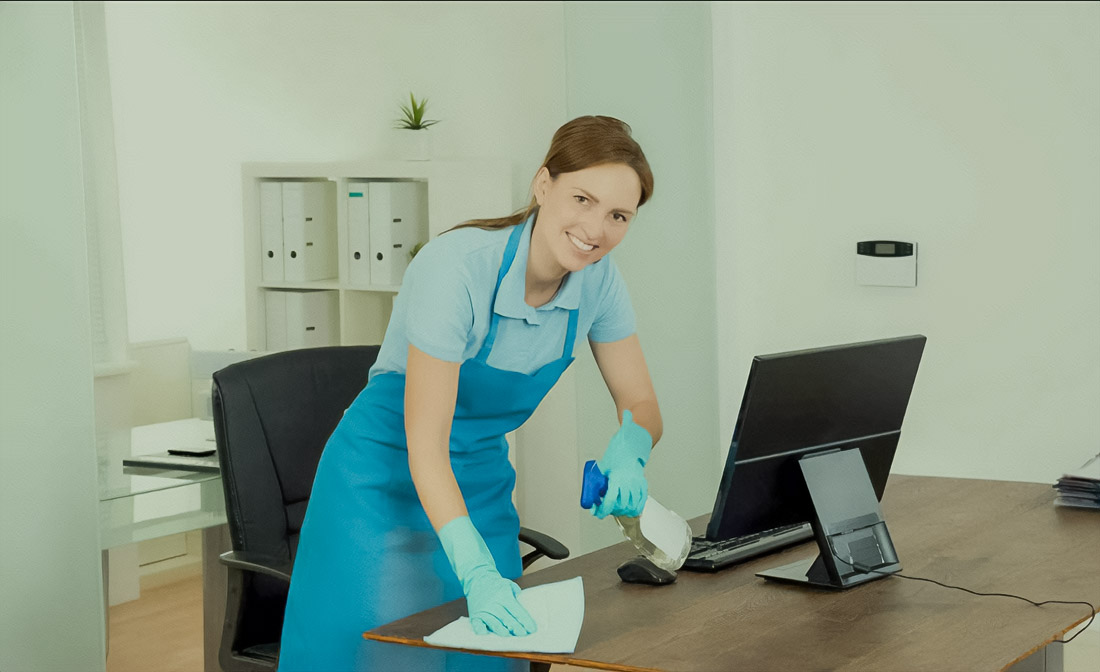
Cleanliness has long been evaluated intuitively. Some people think that the room looks neat. Someone notices the pollution and considers the level unsatisfactory. Such subjectivity inevitably leads to conflicts and vague expectations.
Most customers describe how cleaning should be done, but do not specify which result is considered acceptable. In more than 95% of cases, the requirements specify processes, frequency, and list of jobs, but there are no measurable quality indicators. This creates a gap between expectations and actual performance.
The quality audit eliminates this uncertainty. He moves the conversation from the plane of sensations to the plane of data. Clear criteria, point systems, percentages, and visual ratings are used. As a result, quality ceases to be a matter of dispute and becomes a measurable parameter.
How Does A Working Quality Audit Work?

An effective audit process begins with preparation. The objectives, frequency, and structure of the audit checklist are defined. The inspection can be carried out monthly or weekly. It all depends on the scale of the facility and the intensity of use of the premises.
During the inspection, functional areas, surfaces, sanitary facilities, areas with high frequency of contact, equipment condition and compliance with cleaning procedures are assessed. All findings are documented. Comments and visual evidence play a key role because they provide transparency.
Scoring is based on raw data. Each element has its own weight, depending on the number of points being checked. The percentage averaging is not applied, as it distorts the picture. This approach allows you to get a more accurate quality assessment.
In practice, the threshold for an acceptable level is often set at 85%. If the final score is lower, corrective actions are triggered. A repeat audit is conducted within 7 days to confirm the elimination of violations.
The Human Factor And The Repeatability Of Mistakes
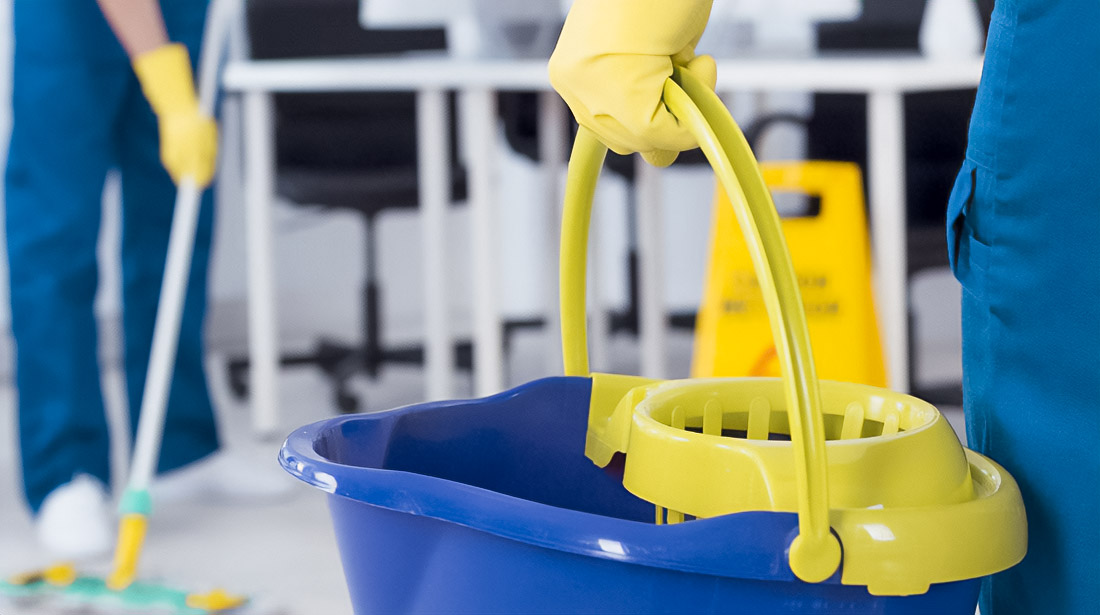
Even with ideal cleaning regulations, the quality of cleaning depends on the people. Thousands of individual actions are performed daily at large facilities. In such conditions, the human factor is inevitable. Something is missing. Something is going wrong.
Regular cleaning audits allow you to identify recurring deviations. If the same zones consistently get low scores, the problem lies not in randomness, but in the system. Perhaps there is not enough training. Resources may have been allocated incorrectly. Perhaps the standards are not adapted to the actual load.
In this case, the audit becomes a continuous improvement tool. It helps to adjust processes, increase consistency, and reduce operational risks. At the same time, he does not work against the staff, but with them, creating clear quality guidelines.
Why Is Regularity More Important Than A Single Check?
A one-time inspection only shows the current state. Regular audits shape the dynamics. They allow you to track trends, evaluate the effectiveness of changes, and make data-driven decisions.
It is consistency that turns an audit into a working tool. It provides compliance, supports hygiene standards, and enhances overall operational efficiency. Purity in this approach ceases to be an abstract concept. It becomes a manageable metric backed by data, responsibility, and transparency.

Hockey fan, nature enthusiast, music blogger, vintage furniture lover and multidisciplinary designer. Doing at the intersection of art and mathematics to craft experiences that go beyond design.